
If you cannot measure marketing ROI, you cannot know which activities deserve more budget and which should stop. Yet many agency reports bury clients in screenshots of impressions, followers and clicks that say little about revenue. A good report connects marketing activity to business results in plain language. This guide explains the core formulas, the KPIs that matter at each stage and how to tell whether the report you receive is actually useful.
The Basic ROI Formula
Marketing ROI compares the profit generated by marketing with what you spent. In simple terms, subtract your marketing cost from the revenue attributed to it, then divide the result by the cost. If you spend 1,000 and attribute 4,000 in revenue, your ROI is 3, or 300 percent. For better accuracy use gross profit rather than revenue, since a sale with thin margins can look better than it really is.
Keep two related terms distinct. ROAS, or return on ad spend, measures revenue divided by advertising cost and ignores other expenses. ROI includes all costs, such as agency fees, tools and creative production. Both are useful, but they answer different questions.
Start With the Right Tracking
No report can be better than the data behind it. Before you judge any results, confirm that these foundations exist:
- Conversion tracking for form submissions, calls, bookings and purchases in your analytics platform.
- Campaign tags on links so traffic sources are identified correctly.
- CRM integration so leads can be followed through to closed sales.
- Call tracking if phone enquiries matter to your business.
- Cost data from ad platforms and agency invoices in one place.
KPIs That Belong in Every Agency Report
Traffic quality
Look beyond raw visits. Useful measures include sessions by channel, engaged sessions, new versus returning users and the share of traffic landing on key pages. A big traffic jump from irrelevant sources is not a win.
Lead generation
Track the number of leads, conversion rate from visit to lead, and cost per lead. If you qualify leads, add the percentage that become sales opportunities. Quality matters as much as volume, so ask your agency to report lead quality alongside lead count.
Revenue and customer value
These numbers show real business impact:
- Customer acquisition cost (CAC): total sales and marketing spend divided by new customers won.
- Customer lifetime value (LTV): the average revenue or profit a customer generates over the relationship.
- LTV to CAC ratio: shows whether acquisition is sustainable.
- Payback period: how long it takes to earn back the cost of acquiring a customer.
Channel-specific metrics
Each channel needs its own lens:
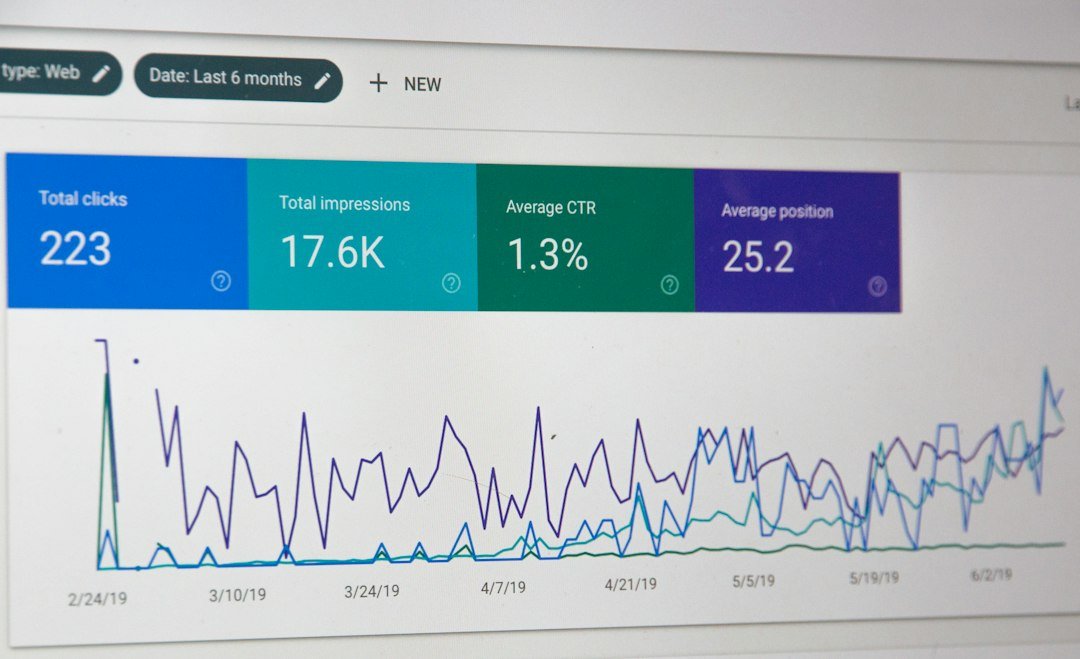
- SEO: impressions, clicks, click-through rate, rankings for priority terms and organic conversions.
- Paid search and social ads: cost per click, click-through rate, conversion rate, cost per acquisition and ROAS.
- Email: list growth, click rate, conversions and revenue per email. See our guide to email automation workflows for more.
- Social media: reach, engagement rate, saves, link clicks and enquiries. Our 30-day social plan explains what to track.
- Content: organic entrances, assisted conversions and leads from key articles.
Understanding Attribution
Customers rarely convert after a single touch. They might see a social post, read a blog article, click an ad and then return directly to buy. Attribution models decide which touch gets credit. Last-click gives all credit to the final interaction, first-click credits the initial one and data-driven models distribute credit across the journey. No model is perfect, so ask your agency which one it uses, why and what its limitations are. Looking at several views together gives a more honest picture than relying on one.
What a Good Agency Report Looks Like
- Executive summary. A short plain-language overview of what happened and why it matters.
- KPI scorecard. Results against targets and previous periods, focused on the metrics agreed at the start.
- Insights. Explanations of what drove the changes, good or bad.
- Actions completed. A concise list of work delivered during the period.
- Next steps. Recommendations and priorities for the next month, with reasons.
If a report only lists activity without conclusions, or celebrates vanity metrics while leads stay flat, push for better. When you are still choosing a partner, our guide to choosing a digital marketing agency suggests asking to see a sample report in advance.
How Often Should You Review Performance?
Review operational metrics weekly or fortnightly so problems are caught early, and hold a deeper strategic review monthly or quarterly. Channels with long cycles, such as SEO and content, should be judged over rolling periods rather than week to week. Compare against the same period last year when seasonality affects your business.
Common Measurement Mistakes
- Celebrating impressions and followers without connecting them to leads.
- Ignoring lead quality and sales outcomes.
- Using different definitions of a conversion in different reports.
- Judging long-term channels like content marketing on a short timeline.
- Forgetting agency fees and tools when calculating ROI.
Frequently Asked Questions
What is a good marketing ROI?
It depends on your margins, industry and goals. A common starting benchmark is a return that clearly covers all costs with room for profit, but you should set targets based on your own unit economics rather than generic figures.
How do I measure ROI for brand awareness?
Brand activity is harder to link directly to sales. Track branded search volume, direct traffic, share of voice, survey responses and the growth of assisted conversions over time. Combine several signals instead of relying on one number.
Can I compare SEO and paid ROI fairly?
Yes, but over a consistent period and with the same cost definitions. Paid shows returns quickly, while SEO often improves over many months. Read PPC vs SEO for guidance on comparing them.
Get Reporting You Can Actually Use
Clear measurement turns marketing from a cost into an investment you can steer. If you want reporting tied to revenue, explore our services or contact us to talk through your numbers.