A brand is far more than a logo. It is the sum of how your business looks, sounds, behaves and makes people feel. The brand identity process is how agencies turn a vague idea of who you are into a clear, consistent system that customers recognise and trust. Whether you are launching a startup or refreshing an established company, understanding each stage helps you brief an agency well and judge the work you receive.
Brand Identity, Branding and Logo: What Is the Difference?
These terms are often mixed up. Brand strategy defines who you serve, what you stand for and why customers should choose you. Brand identity is the visible and verbal expression of that strategy: your name, logo, colours, typography, imagery and tone of voice. Branding is the ongoing activity of applying and building that identity across every touchpoint. A logo is one element of the identity, not the identity itself.
Step 1: Discovery and Research
Good identity work begins with listening. Agencies interview founders and key staff, review existing materials, study competitors and research the target audience. The aim is to understand your business model, strengths, customers and market position, and to spot gaps where your brand can stand out. Expect a questionnaire, one or more workshops and sometimes customer interviews or surveys at this stage.
Step 2: Brand Strategy and Positioning
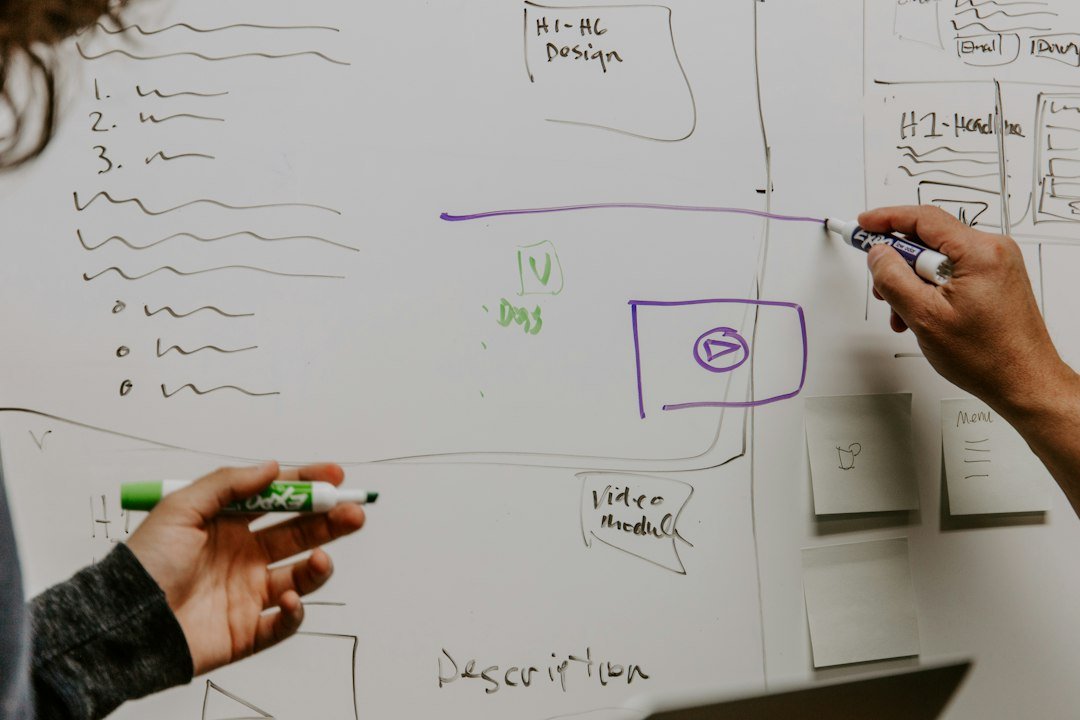
Research is turned into decisions. The agency defines your purpose, vision and values, identifies your core audience and writes a positioning statement that explains how you are different and better. It also establishes brand personality, for example confident, warm or playful. This strategic foundation guides every creative choice that follows, so rushing it leads to pretty but empty design.
Step 3: Verbal Identity
How you speak matters as much as how you look. The verbal identity can include a name or naming review, a tagline, key messages, a tone of voice guide and sample copy for websites, emails and social posts. A clear voice makes every channel sound like the same company, which builds familiarity and trust.
Step 4: Visual Identity Design
Now the visual system takes shape. Designers typically present several concepts built from the strategy, then refine the chosen direction. The core elements usually include:
- Logo suite: primary, secondary and compact versions that work at any size.
- Colour palette: main and supporting colours with accessible contrast.
- Typography: headline and body typefaces that suit your personality and read well on screen.
- Imagery and illustration style: the look of photos, icons and graphics.
- Patterns and layout principles: supporting visual devices that add distinctiveness.
Feedback works best when it is tied to the strategy. Ask whether a concept communicates your positioning and appeals to your audience, rather than whether you personally like it.
Step 5: Brand Guidelines
Guidelines turn design into a usable system. A strong brand guide explains logo usage and clear space, colour codes, font rules, voice principles, imagery do’s and don’ts and examples of correct application. It protects consistency as more people, freelancers and partners create materials for your brand. Without it, even a great identity slowly drifts out of shape.
Step 6: Apply the Brand Across Touchpoints
The identity is then rolled out where customers actually meet you: website, business cards and stationery, packaging, signage, social profiles, email templates, presentations and advertising. Testing the brand in real applications reveals practical issues, such as a logo that is unreadable at favicon size, before everything goes live. If a website is part of the rollout, follow our website redesign checklist so your new look launches without harming search performance.
Step 7: Launch and Internal Rollout
A brand launch should include your own team as well as the public. Share the story and the guidelines with staff so they can represent the brand confidently. Update profiles, directories and key pages together, plan a launch announcement and prepare templates for common materials. A coordinated rollout creates a stronger first impression than a gradual, patchy change.
Step 8: Measure and Evolve
A brand is a living asset. Track brand awareness, direct and branded search traffic, engagement, customer feedback and consistency across channels. Review the identity periodically and refine details as your business grows, but avoid changing core elements too often, because recognition takes time to build. Our guide to measuring marketing ROI shows how to connect brand activity to commercial results.
How Long Does the Process Take?
A focused identity project often runs for several weeks, while a full strategy, naming and rollout programme can take a few months. Timelines depend on how quickly feedback is given, how many concepts are explored and how many applications are needed. Decisions delayed by committees are the most common cause of slippage, so nominate one or two decision makers early.
Common Brand Identity Mistakes
- Starting with a logo before settling strategy and positioning.
- Copying competitors, which makes you easy to confuse with them.
- Choosing trends over timeless clarity.
- Skipping guidelines, leading to inconsistent use.
- Leaving staff out of the launch, so the brand is not lived internally.
Frequently Asked Questions
How much does a brand identity project cost?
Costs vary widely depending on scope, agency experience and deliverables. A basic logo and style guide costs far less than a full strategy, naming and rollout programme. Ask for an itemised proposal and compare what each includes.
Do I need a brand strategy before design?
Yes, at least a lightweight one. Without clear positioning, design decisions become subjective and the result rarely differentiates you in a crowded market.
How do I choose a branding agency?
Review portfolios for strategic thinking as well as visual quality, ask how they run workshops and feedback, and check that deliverables include guidelines. Our article on how to choose a digital marketing agency offers a checklist of questions that apply here too.
Start Building a Brand That Lasts
A thoughtful process creates a brand that is consistent, memorable and ready to grow. To see examples of our work, visit the portfolio, or contact us to discuss your brand.